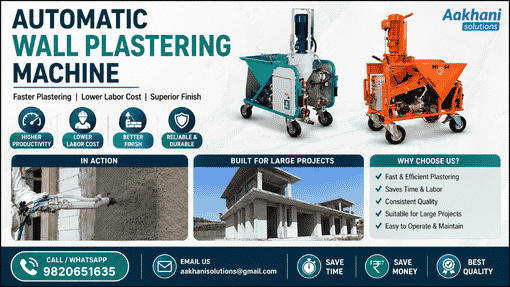
Plaster Machine — How It Works, Its Benefits, and Who Should Buy One
A plaster machine is changing how construction teams work across India. Whether you are running a housing project, a commercial complex, or a large township development, the gap between what a mechanised plastering setup delivers and what a manual crew can achieve is growing — in output quality, daily coverage, and cost per square foot.
In this guide, we walk through exactly how a plaster machine works, what it actually does for your project, and whether investing in one — or working with a contractor who uses one — makes sense for your operation. No fluff, no jargon. Just practical information from people who run these machines on real sites across India.
Today’s Market Reality — Why the Plaster Machine Has Become Essential
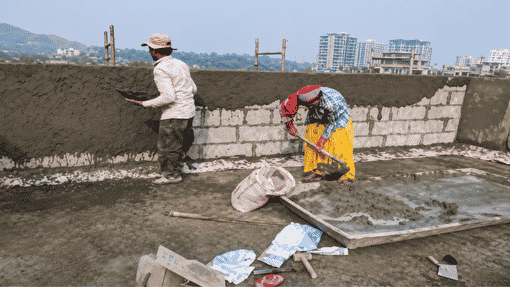
The construction industry is facing a real and growing problem. Skilled plastering applicators and assistants are becoming harder to find. The ones available vary widely in output quality and daily consistency. Contractors and sub-contractors increasingly find themselves depending on manpower-intensive methods where the quality of the finished plaster surface — and the speed at which it gets done — is entirely determined by whoever turns up that day.
In a conventional plastering setup, nearly 60–70% of the total effort goes into activities that have nothing to do with actual wall application. Material is mixed by hand, carried to the work area, and passed along to masons who apply it with varying amounts of water, pressure, and care. At every stage, variability creeps into the process — and that variability shows up in the final finish.
As project timelines get tighter and client quality expectations increase, the industry across India is steadily moving toward mechanised plastering solutions — not as a future upgrade, but as a current operational necessity.
| “The industry is steadily moving towards mechanised plastering solutions — not as a future concept, but as a practical necessity for modern construction.” |
What Is a Plaster Machine?
A plaster machine is purpose-built equipment designed to mix, convey, and spray plaster material onto walls and ceilings in a single continuous operation. Instead of splitting these tasks across multiple workers and steps — each one a potential point of variation — the machine handles them simultaneously and consistently.
The result is that the plastering team shifts from spending most of their time on material handling to spending it where their skill actually creates value: application and finishing.
The result is a more controlled, consistent, and productive plastering process from start to finish.
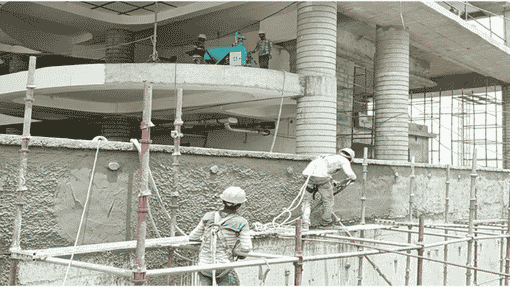
The Working Principle
The process behind a plaster machine is more straightforward than most people expect. Material goes in at the hopper end. Plaster comes out at the spray gun end. Here is what happens in between:
| STEP | STAGE | WHAT HAPPENS |
| 1 | Load Hopper | Dry sprayable plaster material is loaded into the machine hopper. |
| 2 | Water Metering | Water is regulated through a flowmeter to achieve the desired mix consistency. |
| 3 | Continuous Mix | Plaster and water are mixed at approximately 400 RPM by a 6.05 kW motor inside an enclosed chamber. |
| 4 | Rotor-Stator Pump | Mixed mortar is pumped at up to 30 bar pressure through hoses up to 15 m without segregation. |
| 5 | Spray Gun | Compressed air atomises the mortar into a fine, uniform spray pattern for consistent wall coverage. |
| 6 | Level & Finish | Standard plastering tools are used to level and achieve the final surface finish. |
The Rotor-Stator System — The Heart of Every Plaster Machine
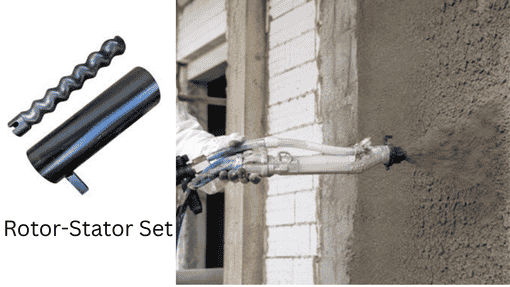
The rotor-stator assembly is what makes continuous pumping possible. A precision steel rotor rotates inside a rubber stator, creating a progressive cavity that generates consistent pumping pressure — up to 30 bar in professional-grade machines. This is what allows mortar to travel through hoses over 15 metres without losing consistency or separating.
At the spray gun, compressed air meets the mortar flow and atomises it into a fine, uniform spray pattern. This controlled, consistent delivery is what creates the surface quality difference between machine-applied plaster and hand-applied plaster.
Key Performance Numbers
| 3× Faster than conventional plastering | 70% Reduction in non-application effort | 15 m Optimum hose pumping distance |
8 Benefits of Switching to a Plaster Machine
Switching to mechanised plastering is not simply about doing the same job faster. The nature of the output changes — and that creates positive knock-on effects across the entire project.
| 01 | Consistent Material Quality | Works with factory-produced sprayable plasters — the manufacturer controls raw material quality at source, so every bag going into the machine is consistent. |
| 02 | Uniform Mixing | Plaster and water are mixed in precisely controlled proportions throughout the entire process — no manual variation from one batch to the next. |
| 03 | Improved Workability | The enclosed chamber reduces air exposure during mixing, keeping material workable for longer periods on-site without premature setting. |
| 04 | Uniform Application | The continuous spray achieves consistent thickness and better substrate compaction across the entire wall surface — impossible to replicate by hand. |
| 05 | Better Adhesion | Sprayed mortar bonds more effectively with the substrate compared to hand application, resulting in stronger long-term performance. |
| 06 | Higher Productivity | With material handling taken care of by the machine, masons focus entirely on spraying and finishing — delivering at least 3× the daily output of a conventional team. |
| 07 | Better Surface Finish | Machine-applied plaster produces a brighter, smoother surface finish that reduces the effort needed for subsequent paint or coating work. |
| 08 | Reduced Labour Dependency | Mechanisation reduces reliance on skilled plastering applicators — a critical operational advantage as experienced plasterers become increasingly difficult to find. |
Who Should Buy a Plaster Machine?
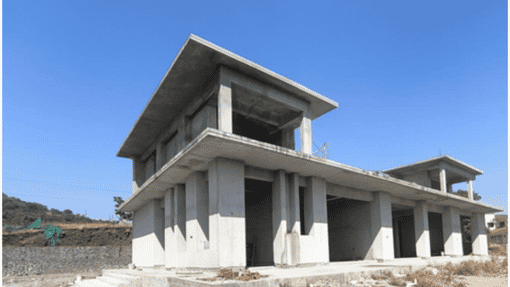
A plaster machine is not only for large infrastructure firms. It creates measurable value for any contractor who needs better quality output, more consistent day-to-day results, and less dependence on the skill availability of individual workers. Machine plastering is particularly suitable for:
| ● Large residential projects | ● Apartment developments |
| ● Villas and township projects | ● Commercial buildings |
| ● Hospitals & educational institutions | ● Professional plastering subcontractors |
| ● Contractors facing labour shortages | ● Quality-focused builders |
| “If your objective is to deliver better quality work with reduced dependency on skilled labour, a plaster machine can be a valuable long-term investment.” |
Why Experience Matters When Choosing a Plaster Machine Partner
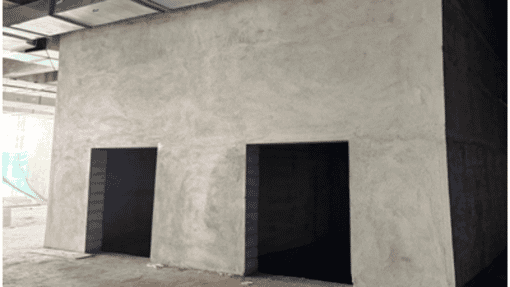
A plaster machine is not simply a piece of equipment — it represents a complete change in your plastering process. Getting that change right requires the correct machine for your application type, the right material specification, properly trained operators, and a supplier who can actually support you when something needs attention.
When evaluating suppliers, look beyond the product catalogue. Ask to see machines actively working on real project sites. Talk to contractors who are already using the equipment day to day. That combination — observing the machine perform under site conditions and hearing directly from people who rely on it — gives you a far more accurate picture than any showroom demonstration.
| Practical tip: Whenever possible, visit a live project and observe the machine in operation before making a purchase decision. Learning from experienced users helps avoid costly trial-and-error during your own implementation. |
Frequently Asked Questions — Plaster Machine India
Q1. What exactly does a plaster machine do that manual plastering cannot?
A plaster machine simultaneously mixes, pumps, and sprays plaster material in a single continuous process. Manual plastering splits these tasks across multiple workers, introducing variability at each step. The machine eliminates that variability and achieves at least 3× the daily output of a conventional team — while delivering a more consistent surface finish.
Q2. Which plaster materials can the machine handle?
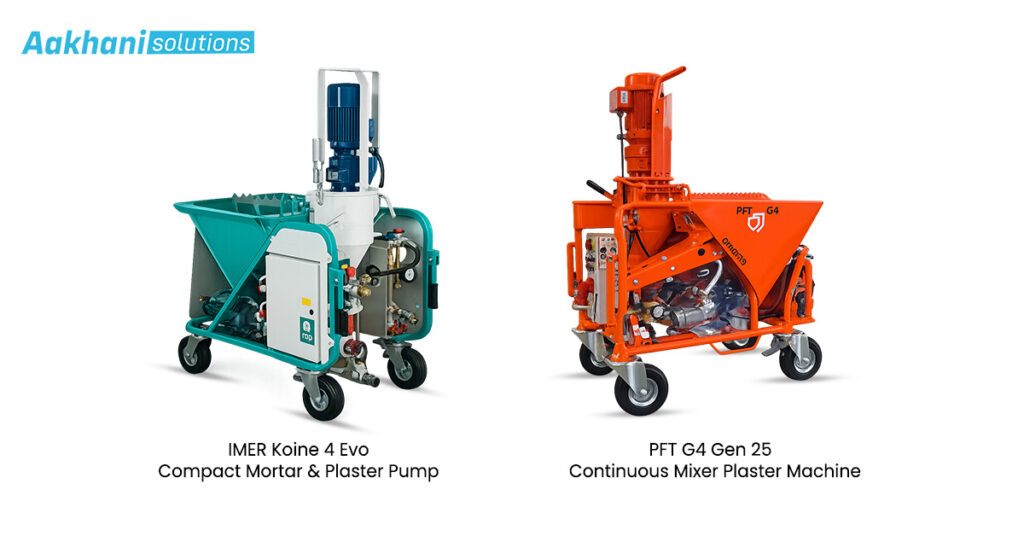
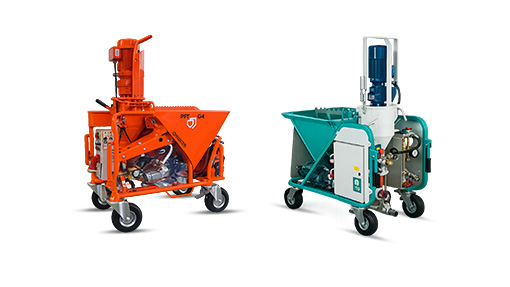
Most professional machines — including the PFT G4 and IMER Koine 4 Evo available through Aakhani Solutions — work with gypsum plaster, lime mortar, and cement-based mortars. Always confirm material compatibility for your specific project before purchase. Our team can guide that selection.
Q3. How long does it take to train an operator on a plaster machine?
A competent mason becomes productive on a plaster machine within 3–5 days of structured, hands-on training. Aakhani Solutions provides on-site operator training with every machine supplied and continues until the team can operate independently with confidence.
Q4. Is machine plastering practical for residential projects in India, or only for large commercial sites?
Machine plastering creates real value across project types — apartment blocks, individual villas, township developments, and commercial complexes all benefit from the consistency and speed it delivers. The right machine size and output capacity vary by workload, and we can help match that.
Q5. What after-sales support should I expect when buying a plaster machine in India?
At a minimum: operator training, clear spare parts availability (particularly rotor-stator sets and hoses), and a local service contact who can respond when something needs attention. Aakhani Solutions provides all of this, along with Annual Maintenance Contracts that keep the machine performing at full capacity over its working life.
Mechanised Plastering Is No Longer Optional
Mechanised plastering is no longer something to plan for in the future. The gap between what a plaster machine delivers and what a traditional manual process can produce — in quality, consistency, and daily output — is already wide enough to affect project competitiveness in India’s construction market.
By combining controlled mixing, continuous pumping, and uniform spray application, plaster machines help contractors improve surface quality, increase daily output, and reduce the risk that comes with depending entirely on labour availability and individual skill levels.
For contractors ready to make that shift, or for builders who want to understand whether it makes sense for their next project, Aakhani Solutions is available for a direct conversation, a live site visit, or a hands-on demonstration at an active project.
| Ready to Explore Plaster Machine Solutions? Connect with Aakhani Solutions for project-specific guidance, live demonstrations, and practical implementation support. 📞 Call / WhatsApp: +91 9820651635 📧 Email: aakhanisolutions@gmail.com 🌐 Website: www.aakhani.com |